
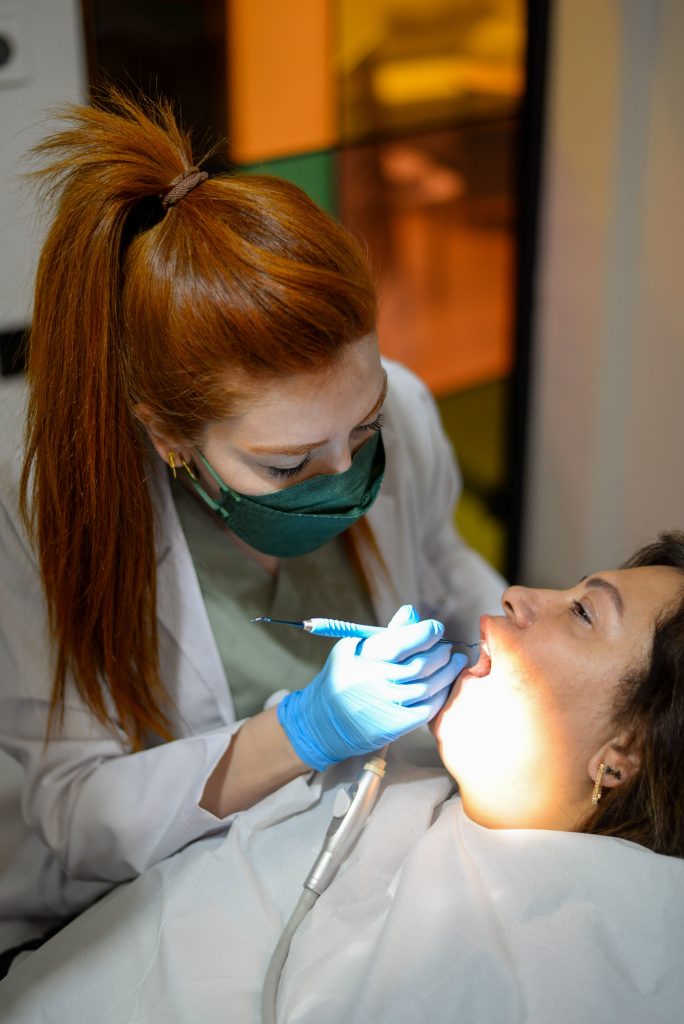
Preventive dental care plays a vital role in supporting children’s long term oral health. By focusing on early detection, routine maintenance, and education, families can help children build habits that protect their teeth and gums well into adulthood. A proactive approach reduces the likelihood of complex dental issues, supports proper development, and encourages confidence during dental visits. When preventive care becomes part of a child’s routine, it lays the foundation for a lifetime of strong, healthy smiles.
Routine Cleanings That Support Long-Term Oral Health
Regular cleanings are one of the most effective ways to maintain healthy teeth and gums. Concepts like preventive dentistry and habit development highlight how early care supports lifelong wellness.
During a cleaning, dental professionals remove plaque and tartar that daily brushing may miss. This reduces the risk of cavities, gum inflammation, and early enamel wear. Families who visit a family dentist in Moreno Valley often notice how routine cleanings help children feel more comfortable with dental care and understand the importance of maintaining healthy habits. When cleanings occur consistently, they prevent buildup that can lead to more serious issues later in life.
Early Detection That Prevents Complex Dental Problems
Children’s teeth and jaws develop rapidly, making early detection essential for long term oral health. Concepts like growth monitoring and early intervention reinforce how timely evaluation supports proper development.
Preventive visits allow dentists to identify concerns such as misalignment, bite issues, enamel weakness, or early decay. Detecting these problems early helps prevent complications that may require more extensive treatment later. Early intervention also reduces discomfort and supports healthy jaw and tooth development. When issues are addressed promptly, children benefit from a smoother, more comfortable dental journey.
Education That Encourages Healthy Habits at Home
Education is a key component of preventive dental care, helping children understand how to care for their teeth daily. Concepts like child education and oral health learning highlight how knowledge supports confidence.
Dentists teach children proper brushing and flossing techniques, explain how diet affects oral health, and encourage habits that reduce the risk of cavities. When children learn these skills early, they are more likely to maintain them as they grow. Education empowers children to take responsibility for their oral health, making preventive care a natural part of their routine.
Guidance That Supports Healthy Development and Future Wellness
Preventive dental care provides families with guidance that supports both immediate and long term oral health. Concepts like family support and care collaboration reinforce how communication strengthens outcomes.
Dentists offer advice on nutrition, oral hygiene routines, and developmental milestones. They help parents understand how to support their child’s dental health at home and what to expect as teeth and jaws grow. This guidance ensures that families feel informed and confident, creating a collaborative approach that benefits children throughout their development.
Conclusion
Preventive dental care helps children avoid future problems by supporting routine cleanings, early detection, healthy habits, and long term developmental guidance. When families prioritize preventive care, they help children build a strong foundation for lifelong oral health and confidence.