
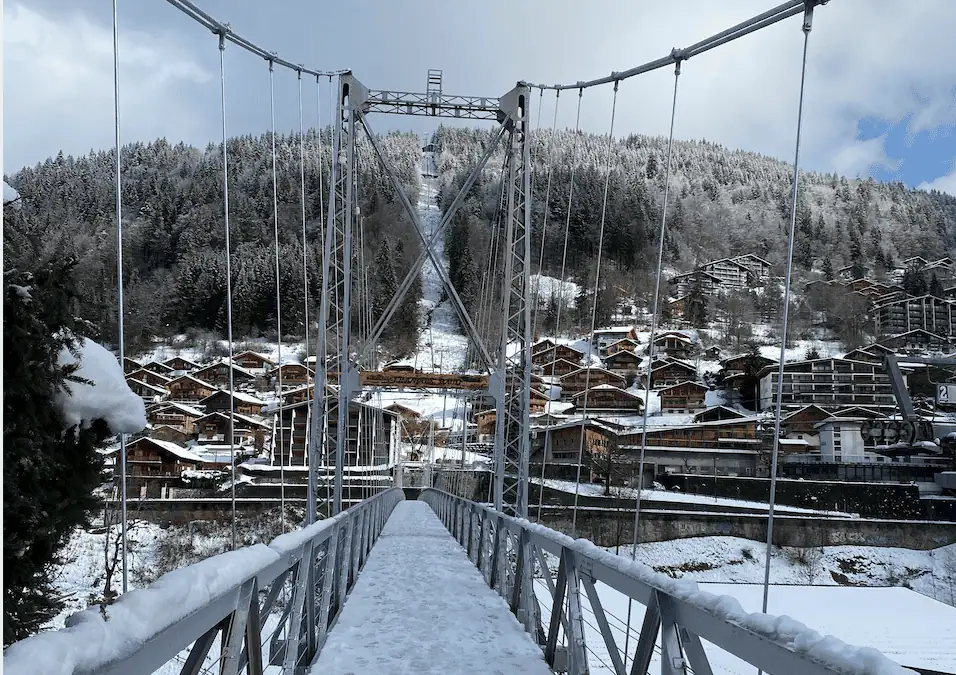
Planning a mountain holiday always sounds simple until it isn’t. You check the forecast, see a few snow icons or sunshine symbols, and assume you know what you’re walking into. Then you arrive in Morzine and realise the mountains do whatever they want anyway. Sunshine on the app might mean fog on the slopes. Heavy snow on the report might translate into slush in the village. That disconnect is exactly why so many travellers quietly rely on Morzine Webcams now instead of forecasts alone.
Webcams don’t predict anything. They just show what’s actually happening. And that small difference makes them far more useful than most people expect.
Forecasts Speak in Numbers. Webcams Speak in Reality.
Weather apps give tidy information — temperature, precipitation percentages, wind speed. Useful, yes, but also strangely abstract when you’re deciding what your day will feel like outdoors.
A live camera view tells a different story immediately.
You can see:
- Whether snow is falling lightly or dumping heavily
- If the sky is clear or stubbornly grey
- How much snow is actually on rooftops and roads
- Whether trees are coated in frost or dripping meltwater
- If people outside look bundled up or surprisingly comfortable
None of this appears in a forecast. But it tells you everything.
Platforms like Morzine Village make it easy to check these views before even packing a suitcase, which honestly saves a lot of second-guessing.
Snow Reports Don’t Show Texture
Snow depth sounds impressive on paper. Fifty centimetres, one metre, fresh overnight snowfall — it all sounds perfect. But anyone who has spent time in the mountains knows snow has moods.
Through Morzine Webcams, you start noticing visual clues:
- Soft powder that looks fluffy and untouched
- Hard-packed runs that shine slightly in sunlight
- Patchy areas where grass peeks through
- Wet snow clinging to surfaces
- Groomed pistes with neat parallel lines
These details matter more than the headline number. Two days with identical snow depth can feel completely different on skis or even just walking around town.
Visibility Can Make or Break a Day
Temperature gets the major attention, but how much visibility is present often makes the day either magical or frustrating.
Webcams show instantly if:
- Thick fog is sitting low in the valley
- Clouds are halfway up the mountain
- Sunlight is actually reaching the slopes
- Snowfall is reducing visibility
- Light conditions look flat and shadowless
A forecast might say “partly cloudy,” which sounds harmless. A webcam might show you can barely see the next chairlift. Big difference.
Morning Conditions Are Often Not Afternoon Conditions
Mountains change their mind constantly. The perfect bluebird day may turn into the midst of a snowstorm by lunchtime, or the other way around.
Examining Morzine Webcams at different times of the day helps us see that:
- Early sun that softens snow quickly
- Afternoon clouds building over peaks
- Shadows creeping across slopes
- Evening temperature drops that refreeze surfaces
For visitors staying in properties arranged through Morzine Village, this helps shape daily plans. Maybe ski early, explore later. Maybe wait for fog to lift before heading up. It removes that guesswork of “should we go now or later?”
Crowd Levels Become Obvious
Forecasts cannot tell you how busy a resort feels. A sunny weekend after fresh snowfall will attract crowds regardless of temperature.
Live cameras reveal the atmosphere:
- Lift queues forming or not
- Busy pistes versus quiet ones
- Foot traffic in the village centre
- Activity around ski schools
- Parking areas filling up
Sometimes the smartest decision is simply timing — heading out early or waiting for the lunchtime lull.
Packing Becomes Much Less Stressful
Packing for a winter trip is more about striking a chord between overpacking and underpacking.
Watching Morzine Webcams before departure helps in a very practical way.
You can judge:
- How bulky people’s clothing looks
- Whether heavy snowfall gear is necessary
- If pavements appear icy or clear
- How bright the sun is (hello sunglasses)
- Whether hats and scarves seem essential or optional
It sounds simple, but visual confirmation reduces that last-minute panic of “what if we packed wrong?”
The Village Itself Has Its Own Microclimate
Something many first-time visitors don’t expect is how different conditions can be between the slopes and the town below.
Webcams located in the village show:
- Snow accumulation on streets
- Road conditions
- Pedestrian activity
- General atmosphere
- Whether it feels lively or calm
You might discover it’s snowing heavily higher up while the village sits in quiet, dry air. Or the opposite. That nuance rarely shows up in standard forecasts.
They Build Excitement Before You Even Leave Home
There’s also a psychological side to all this. Checking live views creates a connection before the trip begins.
Many travelers will attest that, in the weeks prior to departure, which are spent counting down the days until leaving the cameras are refreshed daily, with snow falling, and lights lit in the evenings.
It converts planning into anticipation, not anxiety
Useful Even When You’re Not Skiing
Not everyone visiting Morzine is focused on slopes. Some people just want winter scenery, cozy evenings, or gentle activities.
Webcams help plan those experiences too:
- Choosing the best time for scenic walks
- Deciding whether outdoor cafés are appealing
- Timing photography outings
- Watching for clear skies at sunset
- Avoiding stormy periods
They offer a sense of the place as a living environment, rather than just a resort for skiing.
Why Real Images Build More Trust Than Predictions
Forecasts involve probability. Webcams involve proof.
Seeing conditions directly:
- Removes doubt
- Helps set realistic expectations
- Prevents disappointment
- Encourages smarter daily decisions
- Makes travellers feel more prepared
For accommodation providers like Morzine Village, offering easy access to these views is genuinely helpful. It expresses confidence in the destination rather than depending on its glossy claims.
Final Thoughts
Weather forecasts are a good tool. However, in a mountain destination, they are only half the picture. Conditions change rapidly, differ at different elevations, and are dependent on conditions no app can quite fathom.
Morzine Webcams fill that gap. They are not just showing what the weather is doing but what the day really feels like-the snow texture, the light, the activity, the mood of the village itself.
For travelers who do not wish to leave anything to chance, a few minutes of watching these webcams often makes the difference between an anxiety-ridden trip and a well-timed deeply enjoyable one.
Sometimes seeing really is knowing.