
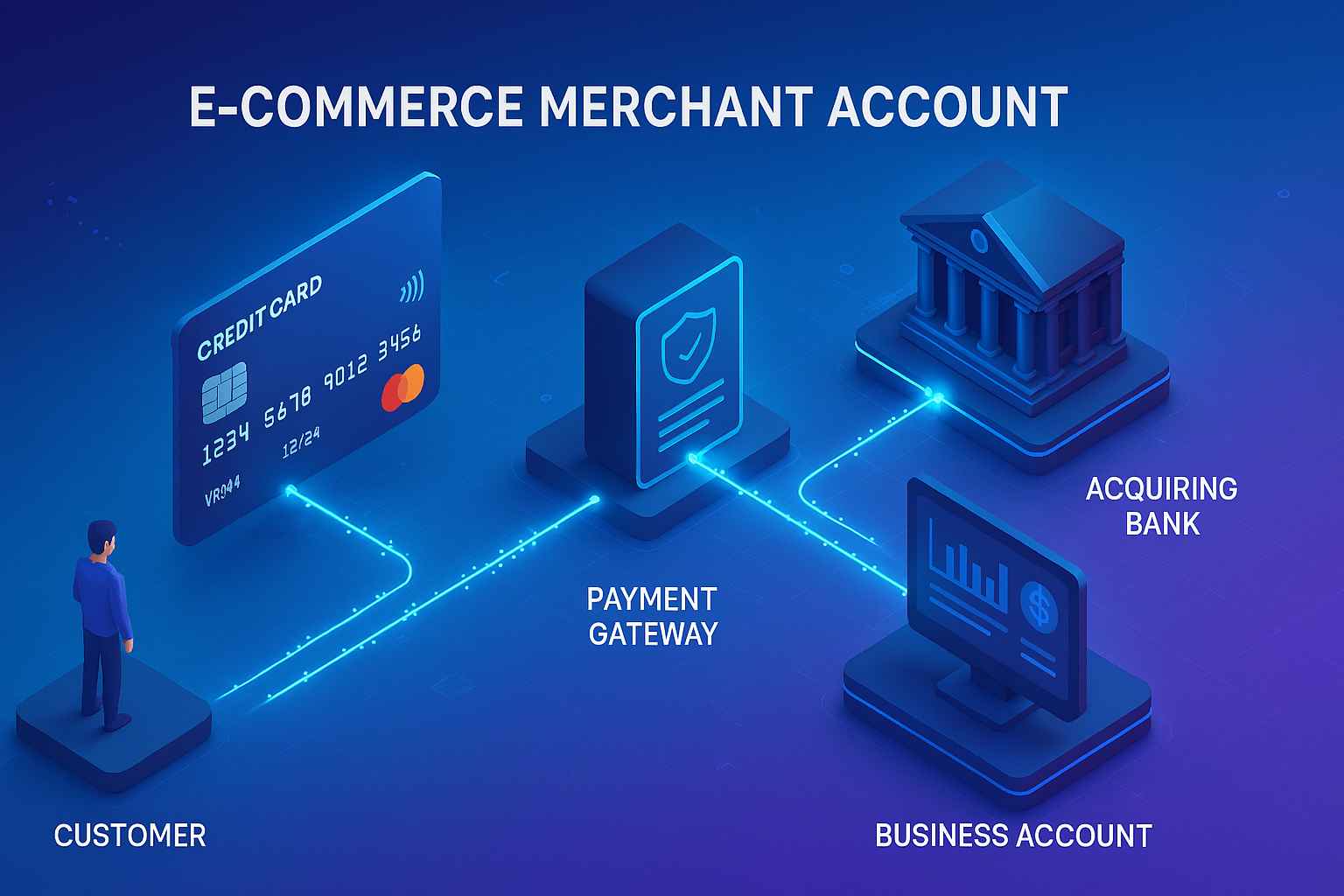
The growth of digital payments has changed the way people conduct financial transactions. Online shopping, mobile banking, and electronic payment authorizecvv systems provide speed and convenience, but they have also created new opportunities for cybercriminals to target sensitive financial information.
Cybersecurity teams around the world continuously monitor threats involving stolen payment data, fraudulent activities, and underground cybercrime networks. In these investigations, terms such as “AuthorizeCVV” may appear as part of broader discussions about illegal card data markets, payment fraud, and the challenges of protecting financial information.
Understanding how cybersecurity teams analyze these threats provides valuable insight into modern cyber defense. Rather than focusing only on individual incidents, security researchers examine patterns, behaviors, and technologies used by criminals to better understand risks and develop stronger protection methods.
This article explores how cybersecurity professionals track illegal card data networks, the role of threat intelligence, and the lessons businesses and consumers can learn from these investigations.
The Rise of Illegal Card Data Networks
Digital payment systems have become an essential part of the global economy. Millions of transactions occur every day through online platforms, payment gateways, and financial applications. This growth has also increased the amount of valuable financial information stored and processed digitally.
Cybercriminal groups attempt to exploit this information through illegal networks that trade compromised data. These underground ecosystems may involve individuals who steal information, groups that organize attacks, and criminals who attempt to misuse stolen financial details.
Cybersecurity teams study these networks to understand how they operate, identify emerging threats, and help organizations improve their defenses. The goal of threat analysis is prevention: understanding how attacks happen so that better security measures can be created.
What Cybersecurity Intelligence Teams Monitor
Cybersecurity professionals use threat intelligence to collect and analyze information about potential risks. Their work involves examining different sources of information, identifying patterns, and connecting separate events to understand larger cybercrime trends.
Security teams may monitor:
- Changes in cybercriminal activity patterns
- New methods used in financial fraud
- Signs of stolen data distribution
- Indicators of compromised systems
- Emerging attack techniques
This information helps organizations recognize potential threats before they cause widespread damage.
Threat intelligence is not only about tracking criminals; it is about improving security awareness and helping businesses prepare for possible attacks.
How Illegal Card Data Networks Are Analyzed
Cybersecurity investigations into illegal financial networks often involve multiple areas of analysis. Experts look at technical information, online behavior, and broader cybercrime trends.
Digital Activity Monitoring
Security researchers analyze publicly available information and threat intelligence sources to identify discussions, trends, and changes in cybercriminal behavior.
Pattern Recognition
Cybersecurity teams look for repeated behaviors that may indicate organized activity. Patterns can include similarities in attack methods, data exposure events, or fraudulent activity.
Infrastructure Analysis
Researchers examine the digital infrastructure associated with cyber threats. This can include analyzing technical indicators connected to malicious activities and identifying relationships between different cybercrime operations.
Collaboration Between Organizations
Cybersecurity is often a cooperative effort. Companies, financial institutions, security researchers, and law enforcement agencies share information to better understand threats and improve defenses.
The Importance of Threat Intelligence
Threat intelligence has become a critical part of modern cybersecurity because attackers are constantly adapting. Traditional security methods that only respond after an incident are no longer enough.
Threat intelligence allows organizations to take a more proactive approach by identifying risks earlier and improving security before major problems occur.
Benefits of threat intelligence include:
- Faster identification of potential threats
- Better understanding of attacker behavior
- Improved incident response planning
- Stronger security decision-making
- Reduced risk of financial damage
By analyzing cybercrime trends, organizations can build stronger defenses against evolving threats.
How Card Data Theft Affects Businesses
Businesses are frequent targets because they often manage large amounts of customer and payment information. A security breach can create serious consequences.
Financial losses are one major concern. Organizations may need to investigate incidents, improve security systems, and support affected customers.
Reputation is another important factor. Customers trust businesses to protect their personal information. When that trust is damaged, companies may experience long-term challenges.
Businesses may also face regulatory responsibilities related to protecting customer information. Strong cybersecurity practices help organizations meet these obligations and reduce potential risks.
Lessons for Businesses From Cybercrime Monitoring
The analysis of illegal card data networks provides several important lessons for organizations.
Security Must Be Continuous
Cybersecurity is not a one-time project. Threats change constantly, requiring regular updates, monitoring, and improvements.
Employee Awareness Matters
Many cyber incidents involve human mistakes. Training employees to recognize suspicious activity can reduce risks significantly.
Data Protection Is Essential
Companies should protect sensitive information through encryption, access controls, and secure storage practices.
Incident Preparation Is Important
Organizations should have plans for responding to security incidents. Quick action can reduce damage and improve recovery.
Protecting Consumers From Payment Fraud Risks
Consumers also play an important role in cybersecurity. Personal security habits can reduce exposure to digital threats.
Important practices include:
- Using strong and unique passwords
- Enabling multi-factor authentication
- Avoiding suspicious links and messages
- Checking financial accounts regularly
- Keeping devices updated
- Using trusted payment platforms
Although consumers cannot control every security issue, responsible digital behavior can reduce many common risks.
The Role of Technology in Cyber Defense
Technology continues to improve the ability of security teams to detect and respond to threats. Artificial intelligence, machine learning, and advanced monitoring tools help analyze large amounts of information and identify suspicious patterns.
Automated systems can help organizations detect unusual activity faster, while human experts provide the analysis needed to understand complex threats.
The combination of technology and skilled cybersecurity professionals creates stronger protection against modern cybercrime.
The Future of Tracking Cybercrime Networks
As digital payments continue to expand, monitoring cybercrime networks will remain an important part of cybersecurity. Attackers will continue developing new methods, making ongoing research and intelligence gathering necessary.
Future cybersecurity efforts will likely rely on greater automation, improved cooperation, and stronger international collaboration.
The ability to understand cybercriminal behavior before attacks occur will help organizations stay ahead of emerging threats and protect valuable information.
Conclusion
AuthorizeCVV-related discussions represent a wider conversation about the challenges of protecting financial information in the digital age. authorizecvv.io Cybersecurity teams analyze illegal card data networks to understand threats, identify trends, and develop stronger defenses.
The lessons from these investigations are clear: businesses must prioritize data protection, consumers must practice safer digital habits, and cybersecurity teams must continue adapting to new challenges.
As technology continues to evolve, protecting payment information will require constant awareness, innovation, and cooperation. By studying cybercrime trends and improving security strategies, organizations can create safer digital environments and reduce the impact of financial data threats.