
For most of the last decade, getting work from Google as a tradie came down to two things: a well-kept Google Business Profile and a website that ranked for your trade and suburb. Show up in the map pack for “plumber Marrickville”, answer the phone, and the jobs followed.
That still works. But the searches that happen before someone looks for a plumber have changed. Homeowners now ask Google why their hot water system is making a banging noise, how much a switchboard upgrade costs, or whether a cracked tile needs a professional. Increasingly, Google answers those questions itself, in an AI-written summary at the top of the page.
For most trade businesses, the phone call is the end of a search that started with a question.
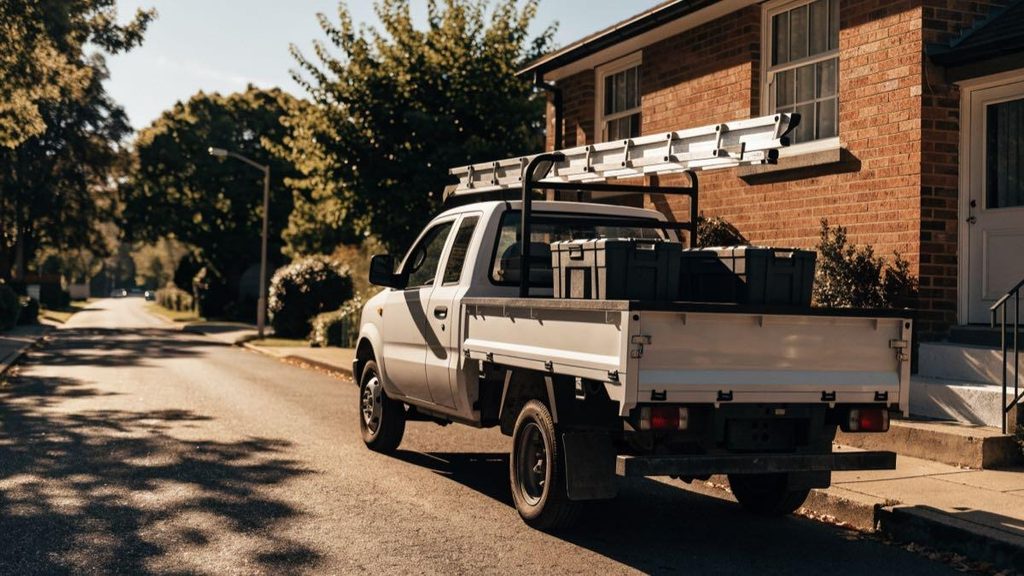
Alt text: A white tradie ute with a ladder on the roof racks parked on a leafy suburban Sydney street
Those summaries are called AI Overviews, and they’re changing which trade businesses homeowners hear about first. Below is what the research shows, which of your searches are affected, and what a busy tradie can realistically do about it.
Where AI Overviews Show Up, and Where They Don’t
The most useful study for trade businesses so far comes from local search firm Whitespark. It ran 540 searches across six industries, including plumbers, in three US cities in May 2025, and sorted them by what the searcher was trying to do. Whitespark’s research on AI Overviews in local search found a clear split.
| Type of search | Example | AI Overview shown | Map pack shown |
| Local intent | “plumber near me” | 15% | 93% |
| Informational | “why is my hot water system leaking” | 92% | 6% |
| Hybrid | “best way to fix a leaking hot water system in [suburb]” | 97% | 17% |
Source: Whitespark, 540 local searches across six industries, May 2025. Examples are illustrative.
In plain terms, when someone searches for a tradie directly, the familiar map pack still dominates. When they search for help with a problem, an AI Overview answers first and the map pack mostly disappears. The research was done in the US, and Australian numbers will differ, but AI Overviews are live in Australia and the same logic applies: the more a search reads like a question, the more likely an AI summary sits on top.
Why this matters for your phone
The problem-first search is often where a homeowner decides whether to call anyone at all, and whom. If the AI Overview explains the problem, suggests it’s a job for a licensed plumber, and cites a page from a competitor down the road, that competitor has made the first impression.
What Homeowners Are Doing Differently
Customers are also asking AI tools directly. BrightLocal’s 2026 Local Consumer Review Survey, based on 1,002 US consumers, found that 45% now use ChatGPT or similar tools for local recommendations, up from 6% the year before. The same survey found 82% read AI-generated summaries of reviews.
That survey is also American, but Australians have taken to ChatGPT quickly. The practical upshot is that a homeowner in Ryde might ask ChatGPT for “a good electrician in Ryde who does switchboard upgrades” and get three names without ever seeing a map pack.

Problem-based searches, like a leaking hot water system, now usually trigger an AI summary before any listings.
Alt text: A smartphone resting on a workbench among hand tools, showing a search result with a large summary box
Five Changes That Help, in Order of Effort
You won’t need a big budget for any of these. Most can be done on a rainy day or a quiet week.
1. Keep your Google Business Profile complete and busy
AI Overviews and AI assistants lean on your Business Profile for local answers. Fill in each service you offer, list the suburbs you actually cover, add real job photos each month, and reply to reviews. A profile that looks active gives Google more to work with.
2. Ask for reviews that mention the job
“Great service, highly recommend” helps your star rating. “Replaced our hot water system in Lane Cove the same afternoon” helps an AI tool understand what you do and where. When you ask for a review, suggest the customer mentions the job and the suburb.
3. Write one page for each job you want more of
If switchboard upgrades are your most profitable work, give them a page of their own. Explain the signs a switchboard needs replacing, what the job involves, roughly how long it takes, and which suburbs you cover. Answer the question in the first paragraph, because that’s the part AI summaries tend to quote.
4. Answer the questions customers ask you on site
Keep a list of the questions you hear most often, such as “can I just replace the element?” or “why does my safety switch keep tripping?”. Each one can become a short section on a service page, or a page of its own. These are exactly the informational searches where AI Overviews appear.
5. Show your licence and make it easy to check
Homeowners are more cautious than ever about who they let into their homes. Put your licence number on your website, your quotes and your Business Profile. NSW Fair Trading’s licence check lets anyone confirm it in seconds, and a clearly displayed, verifiable licence is the kind of detail that builds trust with people and with the tools summarising you.
What Hasn’t Changed
It’s easy to overreact to all this. For the search that leads directly to a booking, “emergency plumber Parramatta” or “electrician near me”, the map pack still shows up in the large majority of cases, and it still rewards the same things it did before AI arrived: proximity, a complete profile, reviews and a business that answers the phone.
Speed of response matters as much as ever too. A homeowner with water through the ceiling will ring the first two or three businesses they see and book whoever picks up. AI visibility won’t make up for a missed call or a voicemail that isn’t returned until the next day.
What has changed is everything that happens earlier, while the homeowner is still working out what’s wrong and who to trust. That’s the stage where AI summaries now do much of the explaining.
How to See Where You Stand
Try the searches your customers use. Pick three problems you fix regularly and search them on Google on your phone, adding your suburb. Note whether an AI Overview appears, which businesses or websites it cites, and if you’re anywhere on the page.
Then open ChatGPT and ask it to recommend a tradie for one of those jobs in your area. If the same two or three competitors keep appearing, look at their websites and Business Profiles. You’ll usually find more detailed service pages, more photos and more reviews that describe specific jobs.
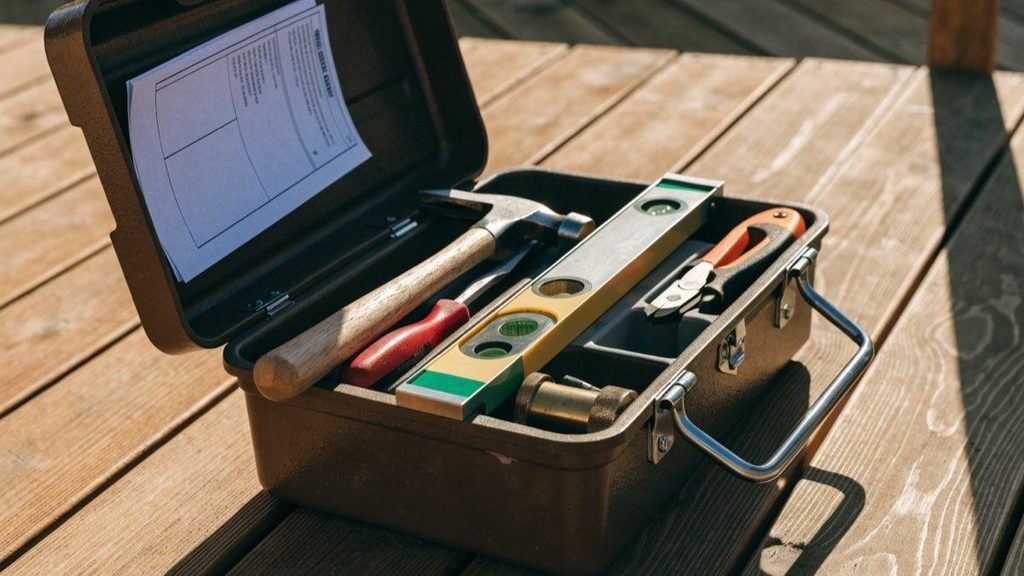
Detailed service pages and job-specific reviews give AI tools the evidence they need to recommend you.
Alt text: An open toolbox on a timber deck with a folded job quote tucked inside
Doing It Yourself or Getting Help
Plenty of tradies handle the changes above themselves, especially the reviews and Business Profile. The website work is where time runs out. If you’d rather hand it over, the specialists that come up when you search AI SEO Sydney typically begin with the same checks: which problem searches trigger AI Overviews in your area, who gets cited, and which of your pages need rewriting to compete.
Whoever you use, ask them to show you the actual searches they’ll track. They should sound like something a homeowner would type, not a list of industry keywords.
What to Do This Month
AI Overviews haven’t replaced the map pack for “tradie near me” searches, but they now sit in front of most of the questions homeowners ask before they get to that point. The businesses that answer those questions clearly, with local detail and real reviews, are the ones being cited.
Start small. This month, ask your next five happy customers for a review that mentions the job and suburb, and write one page for the job you most want more of. Then search your top three problem questions again in six weeks and see what’s changed.